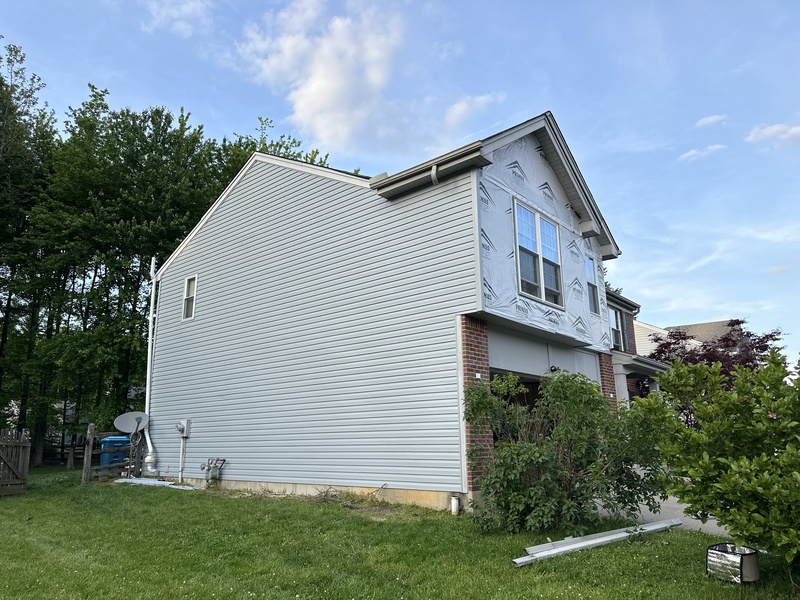
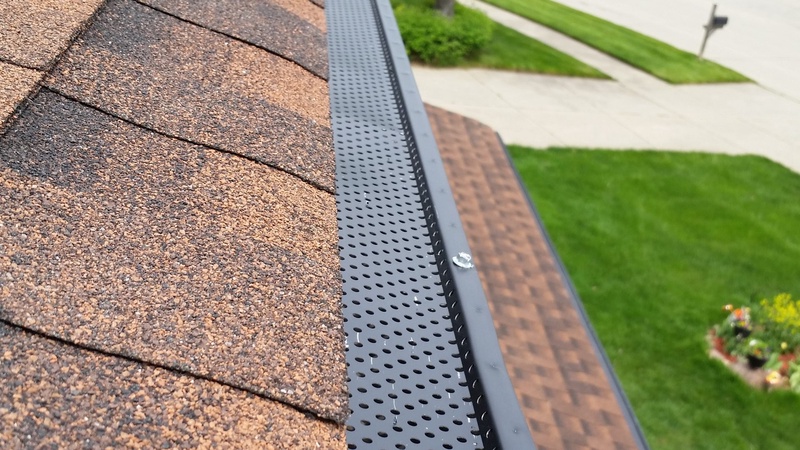
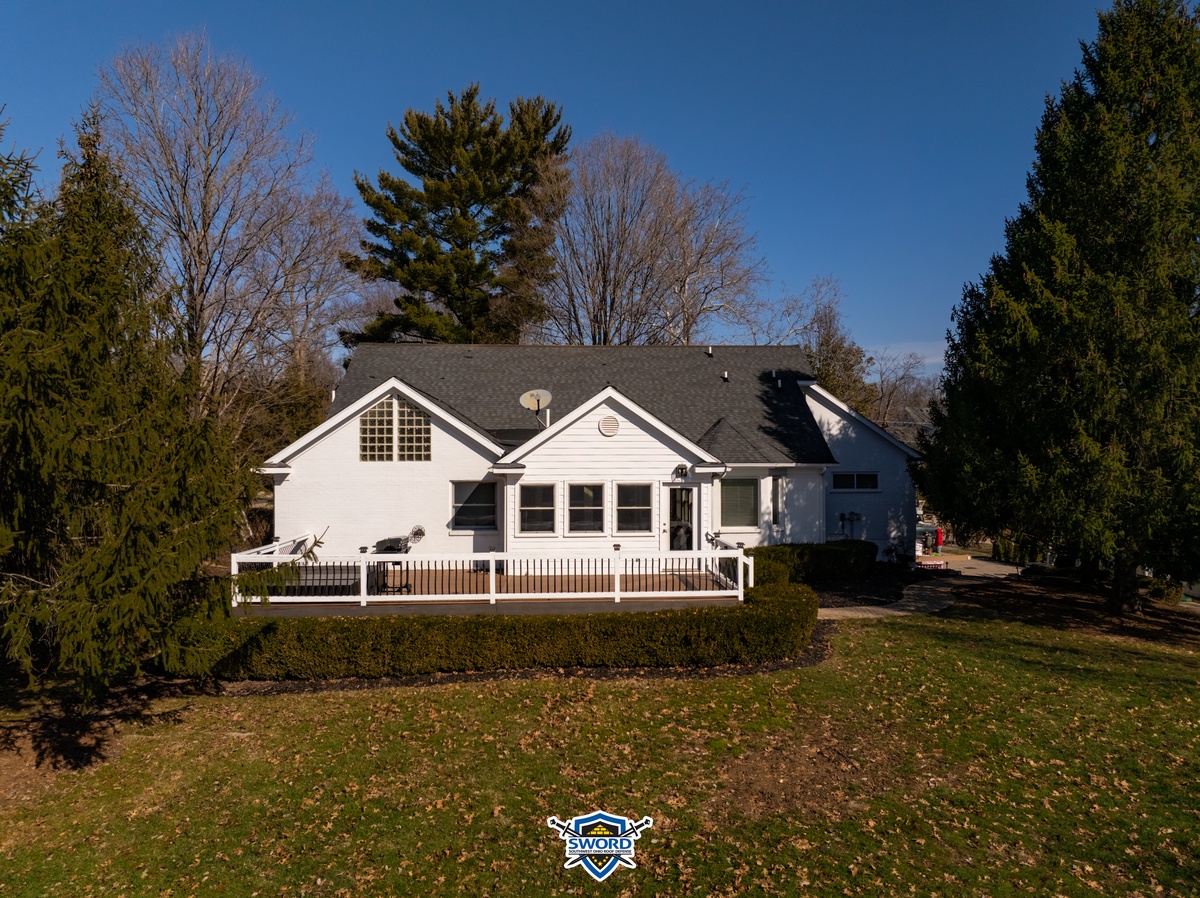
See Our Work in Your Neighborhood
About Us
We service the Greater Cincinnati and surrounding areas. Reach out to us if you’d like a consultation, (513) 268-8874
At SWORD Roofing, we’re proud to be a trusted, family-owned roofing contractor serving Cincinnati, Ohio, and the surrounding communities, including Mason, Milford, West Chester, and Covington. With over 20 years of experience, we specialize in residential and commercial roofing services such as roof repair, roof replacement, new roof installation, and storm damage restoration. Our team is Owens Corning “Top of the House” certified, allowing us to deliver high-quality roofing systems using premium materials designed to withstand the harsh and unpredictable Midwest weather. Whether you’re dealing with leaks, aging shingles, or need a full reroof, we provide reliable, long-lasting roofing solutions tailored to protect your home or business.
We go beyond roofing by offering comprehensive exterior services, including seamless gutter installation, gutter guards, skylight installation, siding replacement, and attic insulation to improve your home’s energy efficiency and curb appeal. Since 2017, we’ve helped thousands of homeowners across the Greater Cincinnati area with expert craftsmanship, transparent communication, and competitive pricing. Our mission is simple: to deliver top-tier roofing and exterior remodeling services backed by strong warranties, a $20,000 workmanship guarantee, and a commitment to customer satisfaction. At SWORD Roofing, we’re dedicated to being your go-to local roofing company in Cincinnati, providing dependable service and peace of mind on every project.
Learn More About Us
Recent Work
Customer Reviews
See what our customers are saying — click any logo to read our reviews on that platform.


Frequently Asked Questions
Why Roof Inspections Matter in Cincinnati’s Climate Homes in Cincinnati experience a full range of Midwestern weather extremes like heavy snow, ice accumulation, wind driven rain, hailstorms, high humidity, and rapid temperature swings. These seasonal shifts create significant expansion and contraction within roofing systems, accelerating wear on shingles, flashings and sealants. The reason for this acceleration is, shingles are made up of asphalt and aggregate (granules). The expansion and contraction of the shingles causes the protective granules to loosen over time, causing them to come off and expose the asphalt part of the shingle. Once the asphalt is exposed, UV quickly deteriorates the asphalt, which is what gives an asphalt shingle its water shedding ability. Across Cincinnati neighborhoods, roofers commonly see missing or wind creased shingles, deteriorated collars on pipe flashings, step flashing failures along chimneys and walls, clogged gutters, insufficient attic ventilation (mostly due to builders error) and downspout discharge issues. Winter ice buildup can force water under shingles, while summer heat can prematurely age asphalt shingles. Most roof leaks don’t start as dramatic leaks. They begin as small vulnerabilities such as a loose shingle tab, a cracked seal, a minor flashing gap. Left unaddressed, these minor issues allow moisture intrusion, leading to decking rot, insulation damage, mold growth, and interior ceiling staining. Repair costs grow quickly once moisture has infiltrated its way inside the house. Roof condition plays a major role in property valuation. Buyers carefully assess roof age and remaining lifespan when deciding on buying a home. An aging or poorly maintained roof can reduce offers or complicate financing and insurance approval. Most insurance carriers will not fully insure a property that has a roof older than 15 years old and only provide what’s called an ACV policy (Actual Cash Value), meaning you only get a VERY small payout if you were to experience a loss on your roof. Some carriers won’t insure a property whatsoever if the roof is older than 15 years. For both buyers and sellers, a professional roof inspection provides clarity. It identifies risks early, documents condition, and supports informed decisions before listing or purchasing a property. How Often Should You Have Your Roof Inspected? In Cincinnati's climate, roofs should be professionally inspected at least once every 1-2 years and always after a major storm event involving hail, high winds, or heavy snowfall. The good news about this is, inspections are usually free (especially if you call SWORD Roofing). Between inspections, homeowners should monitor warning signs such as: Granules accumulating in gutters Curling or cupped shingles Moss or algae growth Visible missing shingles Interior ceiling stains or attic moisture Newer roofs (under 10 years old) typically require less oversight but still benefit from annual inspections to confirm flashing integrity and ventilation performance. Roofs over 10-15 years old should be inspected more carefully, as sealants and rubber collars (pipe flashings) usually start to fail at this point. In Southwest Ohio, spring and fall are the best inspection windows. Spring inspections identify winter damage like ice-dam impact or shingle expansion/contraction issues. Fall inspections ensure the system is sealed and winter-ready before freeze/thaw cycles begin. If preparing to sell a home (especially with a roof over 10 years old), a pre-listing inspection can prevent buyer negotiations or delayed closings. Documentation of roof condition builds confidence and reduces surprises during the buyer’s inspection period. Roof Maintenance 101 (What Homeowners Can Do Themselves) Routine maintenance significantly extends a roofs lifespan. While structural repairs should be left to professionals, homeowners can manage preventative tasks safely from the ground or attic. Key maintenance items include: Cleaning gutters and downspouts to maintain proper drainage Trimming overhanging tree branches to prevent rubbing (tree rub) and impact (falling limbs/branches) Checking attic ventilation and insulation levels Monitoring ceilings and attic decking for water stains Removing visible debris from roof valleys (from ground view) Clogged gutters are a frequent cause of roof edge rot. When water cannot drain properly, it backs up under shingles and along fascia boards, saturating wood components. Over time, this leads to costly perimeter repairs. Attic moisture issues are also common in Cincinnati homes. Inadequate ventilation allows warm, humid air to accumulate, increasing condensation risk during colder months. This contributes to mold growth, insulation degradation, and premature shingle aging. If you have a home humidifier, make sure to turn the percentage down to less than 10% during the cold months! Homeowners should avoid walking on their roofs unless properly trained and equipped. Falls are a leading cause of home maintenance injuries (and unfortunately, deaths). Beyond visual checks, any suspected damage should be evaluated by a roofing professional with appropriate experience. Not All Shingles Are Created Equal (What Buyers and Sellers Should Know) Shingle type significantly affects durability, curb appeal, and resale value. 3-tab shingles are economical and lightweight but typically offer shorter lifespans (15–20 years). Architectural (dimensional) shingles are thicker, layered, and generally rated for 25–30+ years with improved wind resistance (110-130 mph) and enhanced aesthetics. Impact-resistant shingles are engineered to withstand hail damage which is not as important in Southwest Ohio, where damaging hail events are uncommon. Southwest Ohio typically gets hail the size of .25”-.75”, which is not considered to be damaging hail. Anything above 1.00” hail would start to become damaging. These products may also qualify homeowners for insurance premium discounts. Metal roofing represents a premium upgrade option. While the cost for a metal roof is significantly more than a shingle roof, metal systems offer exceptional longevity, energy efficiency, and superior wind resistance. You should expect to pay 3x-5x the amount of a shingle roof for a metal roof installation. When evaluating roofing systems, buyers and sellers should ask contractors about manufacturer warranties, workmanship warranties, and installation standards. Proper installation (correct nailing patterns, types of underlayment and how much should be used in certain areas, flashing techniques, and different types of ventilation) is equally as important as material selection. In the Cincinnati market, storm resilience should be prioritized. Wind ratings being a top priority, with hail resistance being an added bonus if the shingle you choose has it. Seasonal Roof Problems in Cincinnati (Winter, Spring, Summer) Winter in Cincinnati can sometimes produce ice dams. These form when attic heat melts rooftop snow, which then refreezes at the colder eaves. This freeze/thaw cycle traps water behind ice barriers, forcing moisture under shingles, onto decking and then into your house. To help prevent ice dams from forming, you can use a “roof shovel” (commonly sold at home improvement stores) to get the snow accumulation off the edges of your roof, or you can call a professional, like SWORD Roofing, who provides the service. A well insulated attic is your biggest defense against ice dams, though. Frozen gutters compound the issue by preventing proper drainage. The resulting water backup can cause interior leaks and structural deterioration. Spring and summer introduce different risks. Thunderstorms can generate high winds capable of lifting shingles or damaging flashing. Hail impact may fracture shingle mats, dislodge granules, and shorten roof lifespan. Heavy rainfall can expose vulnerabilities in step flashing, chimney flashing, vent penetrations or incorrect downspout discharge. Remember, roofs are water shedding, not water proof! After any major storm, homeowners should check for: Shingles on the ground Dented gutters or metal flashing Granules accumulating near downspouts Ceiling stains or attic dampness Immediate professional evaluation is warranted if active leaks, sagging decking, or large sections of missing shingles are observed. Early spring inspections are particularly valuable, as they identify winter damage before seasonal storms intensify. Budgeting for a New Roof in Cincinnati (Costs, Timing, and Financing Options) Roof replacement cost depends on several variables: Roof size and pitch Number of existing layers Condition of decking Chimney flashing complexity Ventilation upgrades Material selection In the Cincinnati market, full roof replacements for standard asphalt shingle systems commonly fall within $7,000 – $20,000 but can definitely go much higher based on the size and complexity of the roof. Premium materials or structural repairs increase cost. Homeowners should begin financial planning once a roof approaches 15-20 years of age, even if no active leaks are present. Waiting until failure often results in emergency pricing and potential interior repair expenses. Many roofing companies offer financing options, including installment payment plans, third-party financing partnerships, and promotional zero-interest periods for qualified buyers. These options allow proactive replacement without significant upfront burden. It is advisable to obtain multiple detailed estimates and verify contractor licensing (if your state requires licensing), insurance coverage, and references before proceeding. Checking online reviews is also a great source of information. Roof Age and Insurance Coverage (What Homeowners Often Misunderstand) Insurance policies are designed to cover sudden, accidental damage, not gradual deterioration. Homeowners cannot file a claim solely because a roof is old. Covered events typically include: Hail damage Wind damage Storm-related tree impact However, many carriers apply depreciation schedules to older roofs. Instead of providing full replacement cost coverage, they may issue actual cash value (ACV) payouts, which subtract depreciation based on age and condition. Meaning – if you have a 30 year shingle on your roof, the roof is 20 years old and you experience a loss on your roof, the carrier will only cover ⅓ of the cost to replace your roof MINUS your deductible. So, in this scenario, lets say your roof cost $15,000 to replace, your deductible is $2,000 and you have an ACV policy. The insurance carrier would pay out $5,000 minus your $2,000 deductible. Leaving you with $3,000 to replace your $15,000 roof. If you had a RCV policy, the payout from insurance would be $15,000 minus your $2,000 deductible ($13,000). It is HIGHLY recommended that you get a RCV policy when shopping for insurance, for this reason. The cost difference between ACV and RCV policies is not overwhelming either. If a roof is poorly maintained or nearing the end of its life, coverage limitations may apply. Some carriers impose age-based underwriting restrictions, particularly for roofs over 15 years old. Homeowners should review their policy language to understand whether their coverage provides replacement cost value (RCV) or actual cost value (ACV) and confirm deductible obligations. Understanding these details before storm season prevents confusion during claim situations. Final Takeaways for Cincinnati Homeowners and Home Buyers Maintaining a roof in Cincinnati requires consistent oversight and proactive planning. Key principles: Schedule regular inspections (bi-annually, plus after major storms) Keep gutters clear and attic ventilation balanced Understand material differences when buying or upgrading Budget in advance for eventual replacement Know what your insurance policy covers and what it does not cover Whether you are purchasing a home, preparing to sell, or maintaining your current property, a professional roof inspection provides objective data and peace of mind. If you are unsure about your roof’s age or condition, contact a qualified local Cincinnati roofing contractor, like SWORD Roofing, for an inspection or replacement estimate. Roof issues are easier (and significantly less expensive) to address early rather than after structural damage occurs.
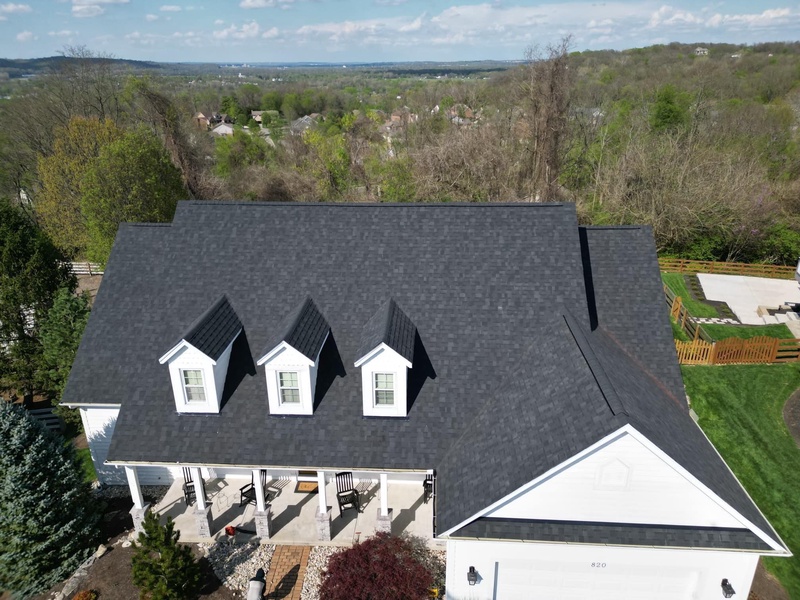
A new roof represents one of the most significant investments you’ll make in your home. With costs typically ranging from $5,000 to $10,000 or more, it’s no wonder many homeowners seek financing options rather than paying the entire amount upfront. Whether you’re facing an unexpected replacement due to storm damage or planning ahead for an aging roof, understanding your financing options, particularly how long you can spread out payments, can make this essential home improvement more manageable. Understanding Roof Financing Basics Roof financing is essentially any form of credit or loan used to pay for a new roof installation or major repairs. At SWORD Roofing, we understand that navigating these options can be challenging, which is why we’ve compiled this comprehensive guide to help you make informed decisions. When exploring financing options, you’ll encounter several key terms: Term: The length of time you have to repay your loan, typically expressed in months or years. Longer terms mean lower monthly payments but more interest over time. APR (Annual Percentage Rate): This percentage represents the yearly cost of borrowing money, including interest and fees. Lower APRs mean less expensive loans. Principal: The initial amount borrowed to pay for your roof. Interest: The cost of borrowing money, calculated as a percentage of your loan amount. Homeowners choose to finance their roofs for various practical reasons—from budget constraints to emergency situations to the desire for higher-quality materials that might otherwise be out of reach. SWORD Roofing works with homeowners to find the most suitable financing solutions for their specific circumstances. Typical Financing Term Lengths Short-Term Options (0-24 months) Short-term financing typically ranges from immediate payment to two years. Credit cards with promotional 0% APR offers usually provide interest-free periods of 12 to 18 months. Many home improvement stores and roofing contractors also offer “same-as-cash” financing for 6 to 18 months. These options are ideal if you can pay off the entire amount within the promotional period. However, be cautious—if you don’t pay the full balance before the promotional period ends, you may face retroactive interest on the entire original amount, often at rates exceeding 20%. Medium-Term Options (2-10 years) Medium-term financing balances manageable monthly payments with reasonable total costs. Personal loans typically offer terms from 2 to 7 years (24 to 84 months). Unsecured home improvement loans often extend to 10 years (120 months), which has become a particularly common term length for roof financing. Many SWORD Roofing customers choose the 120-month option because it strikes a balance—the monthly payments remain affordable without stretching the debt out for decades. For example, a $10,000 roof financed at 9.99% APR for 120 months would result in monthly payments of approximately $132. Long-Term Options (10+ years) For those seeking the lowest possible monthly payments, long-term options extend beyond 10 years. Some personal loan providers offer terms up to 20 years (240 months) for larger amounts. Home equity loans and home equity lines of credit (HELOCs) can stretch even further, with terms up to 30 years (360 months). Cash-out refinancing represents another long-term option, essentially replacing your existing mortgage with a new, larger one and using the difference to pay for your roof. These loans typically come with 15 to 30-year terms. While longer terms reduce your monthly financial obligation, they substantially increase the total interest paid over the life of the loan. The roofing experts at SWORD Roofing can help you understand which term length might best suit your financial situation. Popular Roof Financing Options Credit Cards and Short-Term Financing Credit cards offer immediate access to funds, making them ideal for emergency situations. With a 0% introductory APR promotion, you could potentially finance your roof interest-free for 12-18 months. However, once that promotional period ends, interest rates typically jump to 18-25% or higher. Some retailers and contractors also offer dedicated short-term financing programs with deferred interest arrangements. Be aware that failing to pay the full amount within the promotional period usually triggers retroactive interest on the entire original balance. Personal Loans Personal loans have become increasingly popular for roof financing due to their flexibility and straightforward application process. With terms typically ranging from 2-7 years (though some extend to 10 or even 12 years), they offer predictable fixed monthly payments and interest rates generally lower than credit cards. The main advantage is that they don’t require collateral—your home isn’t at risk if you struggle with payments. However, this means interest rates are higher than home-secured options, typically ranging from 7% to 36% depending on your credit profile. Home Equity Options Home equity loans and HELOCs allow you to borrow against the equity you’ve built in your home, often at significantly lower interest rates than unsecured options. Home equity loans provide a lump sum with fixed interest rates and terms up to 30 years. This option offers the longest possible financing term for a roof replacement. For example, a $15,000 roof financed through a home equity loan at 7% interest over 20 years would result in monthly payments of approximately $116. HELOCs function more like credit cards, providing a revolving line of credit during a “draw period” (typically 10 years), followed by a repayment period that can extend another 20 years. Both options require using your home as collateral and involve closing costs (typically 2-5% of the loan amount). Factors That Affect Your Financing Term Length Credit Score Impact Your credit score significantly influences your financing options. Borrowers with excellent credit scores (typically 740 or above) will have access to the longest term lengths and lowest interest rates. Those with good credit (670-739) will still have many options but may face slightly higher rates. Homeowners with fair credit (580-669) will find their options more limited, particularly for longer-term financing. Those with poor credit scores (below 580) may struggle to qualify for traditional financing altogether. At SWORD Roofing, we work with various financing partners to help homeowners across the credit spectrum find suitable options. Loan Amount Considerations The amount you need to borrow also affects available term lengths. Very small loans (under $1,000) typically come with shorter terms, often 12-24 months. Mid-sized loans ($5,000-$15,000, which covers most standard roof replacements) generally qualify for medium-term financing options of 5-10 years. Larger loans, especially those exceeding $25,000, may qualify for extended terms of 15-30 years, particularly when secured by home equity. Home Equity Requirements For home-secured financing options, your available equity plays a crucial role in determining eligibility and terms. Most lenders require that your total mortgage debt (including the new financing) not exceed 80-85% of your home’s value. If you have substantial equity in your home (30% or more), you’ll likely qualify for the longest available terms and most favorable rates. Making the Right Choice for Your Situation Balancing Monthly Payments vs. Total Cost The fundamental tradeoff in financing decisions is between monthly affordability and total cost. Longer financing terms reduce your monthly payment but increase the total amount you’ll pay over time due to accumulated interest. For example, financing a $10,000 roof at 8% interest for 5 years would result in monthly payments of about $203, with total interest paid around $2,166. The same loan extended to 15 years would lower your monthly payment to approximately $96, but you’d pay about $7,213 in interest—more than three times as much. Consider your monthly budget constraints, but also be mindful of the long-term impact. Many financial advisors recommend selecting the shortest term you can reasonably manage. Considering Your Long-Term Housing Plans Your future housing plans should heavily influence your financing decision. If you’re planning to sell your home within the next few years, a shorter-term financing option might make more sense. This approach helps you avoid carrying debt on a property you no longer own. Conversely, if you’re settled in your “forever home,” longer-term financing might be appropriate, especially if it allows you to invest in higher-quality roofing materials. Remember that a new roof can increase your home’s resale value—according to industry data, homeowners can potentially recover up to 107% of the roof installation cost when selling their home. SWORD Roofing provides quality installations that maximize this return on investment. Tax Implications Interest paid on home equity loans, HELOCs, and cash-out refinances may be tax-deductible when the funds are used for substantial home improvements like a new roof. In contrast, interest paid on personal loans and credit cards is not tax-deductible, regardless of how you use the funds. Conclusion Financing a new roof doesn’t have to be overwhelming. With options ranging from short-term credit card promotions lasting just 12-18 months to home equity loans extending up to 30 years, homeowners have unprecedented flexibility in how they manage this significant investment. Most homeowners find that medium-term financing options of 5-10 years offer the best compromise between manageable monthly payments and reasonable total costs. The 120-month (10-year) term has become particularly popular for roof financing, as it typically results in monthly payments that fit comfortably within household budgets while not extending the debt burden for decades. Remember that your roof is more than just an expense—it’s an investment in your home’s protection, efficiency, and value. Quality materials and proper installation can extend your roof’s lifespan and improve your home’s marketability, potentially returning more than 100% of your investment when you sell. Before making your final decision, take time to compare multiple financing options and read the fine print regarding interest rates and fees. The right financing approach will provide the roof protection your home needs while maintaining your financial stability. Ready to explore your options further? Contact SWORD Roofing today to learn more about our financing options that could help you secure the quality roof your home deserves without compromising your financial well-being.